E-Store

Blog

6 Actions To Take Today To Keep Your Child Alcohol Free

Posted on 04/24/2013 @ 09:00 AM

Want to do whatever you can to prevent your child from engaging in underage drinking? Here are six actions you can take today to help keep your child alcohol free.

Talk Early and Often With Your Child

  • Establish and maintain an open line of communication.
  • Get into the habit of talking with your child every day. This will make it easier for you to have conversations about serious subjects when necessary.

Get Involved

  • Talking with your child about his or her activities opens up an opportunity for you to share your interests and values.
  • Young people are much less likely to have mental health and substance abuse problems when they have positive activities to do and when caring adults are involved in their lives.

Be A Good Role Model

  • Think about what you say and how you act in front of your child. Your own actions are the most powerful indicator to your children of what is appropriate and acceptable in your family.
  • Do not take part in illegal, unhealthy, or dangerous practices related to alcohol, tobacco, or drugs or your child may believe that these practices are OK no matter what you say.
image

Teach Kids To Choose Friends Wisely

  • Teach your child how to form positive relationships.
  • Help your child to understand what qualities to look for in a friend.

Monitor Your Child's Activities

  • Know where your children are and get acquainted with their friends.
  • Limit the amount of time your children spend without an adult being present. Unsupervised children have more opportunities to experiment with risky behaviors, including the use of alcohol, tobacco, and illegal drugs, and they may start substance abuse at earlier ages.

Set Rules

  • Make clear, sensible rules for your child and enforce them with consistency and appropriate consequences.
  • Following these rules can help protect your child’s physical safety and mental well-being, which can lower his or her risk for substance abuse problems.

Source: Substance Abuse & Mental Health Services Administration. A Family Guide To Underage Drinking Prevention. http://www.stopalcoholabuse.gov/media/pdf/Underage_Brochure_2010_ENG_v4_508.pdf

Learn How To Keep Kids Safe During Spring Celebrations

| Comments ()

Spice: Not So Nice

Posted on 04/24/2013 @ 09:00 AM

What Is Spice?

image

“Spice” is a mix of herbs that produce experiences similar to marijuana (cannabis). Spice mixtures are marketed as “natural,” legal alternatives to marijuana, but labeled “not for human consumption.” They are sold under many names—K2, fake weed, Yucatan Fire, Skunk, Moon Rocks, and others. They contain dried, shredded plant material along with manmade chemicals that cause mind-altering effects.

For several years, Spice has been easy to purchase in head shops (stores that sell drug products) and gas stations and online. But, the chemicals used in Spice have a high potential for abuse and no medical benefit. So, the Drug Enforcement Administration (DEA) has made it against the law to sell, buy, or possess them. People who make Spice products try to avoid these legal restrictions by using different chemicals in their mixtures. The DEA continues to watch the situation and review the need to update the list of banned chemicals.

How May Teens Use Spice?

image

Spice products are popular among young people; of the illegal drugs most used by high-school seniors, they are second only to marijuana. Easy access and the misunderstanding that Spice products are “natural” and safe have likely contributed to their popularity.

How Is Spice Abused?

Some Spice products are sold as “incense,” but they look more like potpourri. Like marijuana, most people smoke Spice. Sometimes, it is mixed with marijuana or is prepared as an herbal tea for drinking. In some cases, it is ingested. For example, in brownies.

How Does Spice Affect The Brain?

Many Spice users have experiences similar to what they would experience if they used marijuana—relaxed feelings and changes in perception. In some cases, the effects are even stronger than those of marijuana. Some users report effects like extreme anxiety, paranoia, and hallucinations.

Spice is pretty new, so researchers are still learning how it affects the brain. Chemicals found in Spice attach to the same nerve cell receptors as THC, the main mind-altering component of marijuana. Some of the chemicals found in Spice, however, attach to those receptors more strongly, which could lead to a much stronger and more unpredictable effect. We don’t know the chemical composition of many products sold as Spice. So, it’s likely that some varieties also contain substances that could cause very different effects than the user might expect.

What Are Other Health Affects Of Spice?

People who abused Spice and were taken to Poison Control Centers report symptoms like a fast heart rate, vomiting, agitation, confusion, and hallucinations. Spice can also raise blood pressure and cause less blood to flow to the heart. In a few cases, it has been associated with heart attacks. People who use Spice a lot may experience withdrawal and addiction symptoms.

We still do not know all the ways Spice may affect a person’s health or how toxic it may be, but it is possible that there may be harmful heavy metal residues in Spice mixtures. We’ll have to study the drug more to find out.

Source: National Institute of Drug Abuse (NIDA). http://www.drugabuse.gov/publications/drugfacts/spice-synthetic-marijuana

More about Spice.

| Comments ()

4 Surprising Dangers Of Underage Drinking

Posted on 04/24/2013 @ 09:00 AM

image

Underage alcohol use is more likely to kill young people than all illegal drugs combined. Here are four of the most serious and widespread alcohol–related problems among adolescents.

1. Drinking and Driving

Motor vehicle crashes are the leading cause of death among youth ages 15 to 20. Adolescents already are at increased risk through their relative lack of driving experience, and drivers younger than 21 are more susceptible than older drivers to the alcohol–induced impairment of driving skills. The rate of fatal crashes among drinking drivers under age 21 is more than twice the rate for those 21 and older.

2. Suicide

Alcohol use interacts with conditions such as depression and stress to contribute to suicide, the third leading cause of death among people between the ages of 14 and 25. In one study, 37 percent of eighth grade females who drank heavily reported attempting suicide, compared with 11 percent who did not drink.

3. Sexual Assault

Sexual assault, including rape, occurs most commonly among women in late adolescence and early adulthood, usually within the context of a date. Research suggests that alcohol use by the offender, the victim, or both, increases the likelihood of sexual assault by a male acquaintance.

4. High-Risk Sex

Research has associated adolescent alcohol use with high–risk sex (for example, having multiple sexual partners, failing to use condoms, and having unplanned sex). The consequences of high–risk sex also are common in this age group, particularly unwanted pregnancy and sexually transmitted diseases, including HIV/AIDS. According to a recent study, the link between high–risk sex and drinking is affected by the quantity of alcohol consumed. The probability of sexual intercourse is increased by drinking amounts of alcohol sufficient to impair judgment, but decreased by drinking heavier amounts that result in feelings of nausea, passing out, or mental confusion.

Source: National Institute on Alcohol Abuse & Alcoholism (NIAAA). http://pubs.niaaa.nih.gov/publications/PSA/underagepg2.htm

Learn How To Keep Kids Safe During Spring Celebrations

| Comments ()

10 Signs Your Teen May Be Smoking Pot

Posted on 04/23/2013 @ 09:00 AM

Is your teen smoking marijuana? How can you tell? Often parents discover their children's drug use after a destructive habit has been well formed. However, if you pay attention to the signs, you may be able to take action before any major damage is done.

image

According to the National Institute of Drug Abuse, parents should be aware of changes in their child's behavior, such as carelessness with grooming, mood changes, and deteriorating relationships with family members and friends. In addition, changes in academic performance, increased absenteeism or truancy, lost interest in sports or other favorite activities, and changes in eating or sleeping habits could all be related to drug use—or may indicate other problems.

Here are ten additional warning signs that your teen is smoking marijuana:

Your child may be smoking pot if he or she...

  1. seems dizzy or uncoordinated;
  2. is being silly and giggly for no reason;
  3. has very red, bloodshot eyes;
  4. is having a hard time remembering things that just happened;
  5. is in possession of drugs and drug paraphernalia, including pipes and rolling papers;
  6. has an odor on clothes and in the bedroom;
  7. uses incense and other deodorizers;
  8. uses eye drops;
  9. wears clothing or jewelry or have posters that promote drug use; or
  10. has unexplained use of money
Here Are 11 Tips For Talking To Your Kids About Drugs & Alcohol

| Comments ()

DEA RX Take Back Day Is April 27th

Posted on 04/16/2013 @ 08:57 AM

Tags: DEA, Rx, Take Back, Blog

image

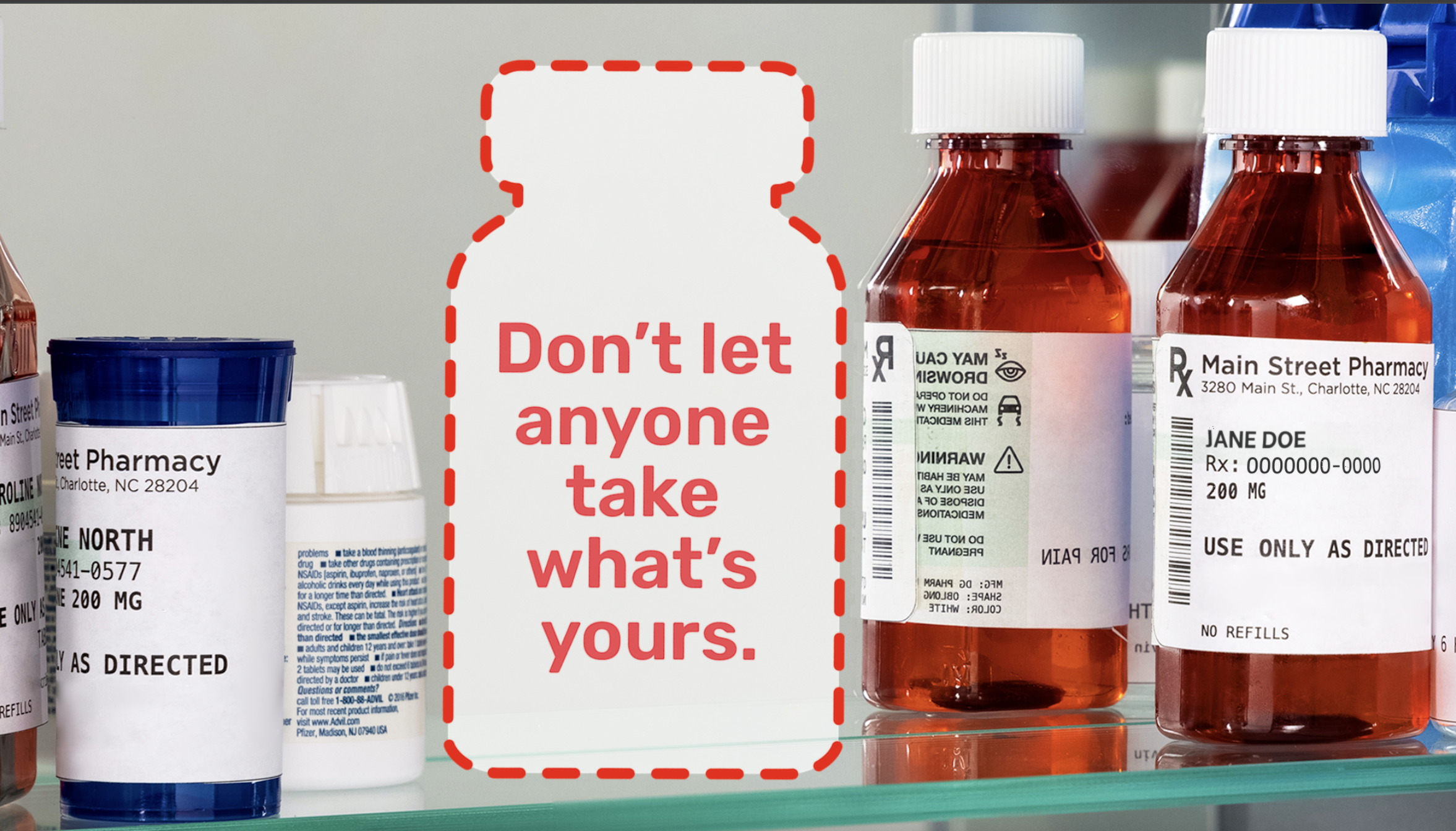
Time to clean house to protect your kids! The Drug Enforcement Administration's (DEA) National Prescription Drug Take-Back Day will take place on Saturday, April 27, 2013, from 10:00 a.m. to 2:00 p.m., in locations across the United States. This is a great opportunity to safely dispose of unused medications.

In the five previous Take-Back events, DEA in conjunction with its state, local, and tribal law enforcement partners have collected more than 2 million pounds (1,018 tons) of prescription medications. The National Prescription Drug Take-Back Day provides a safe, convenient, and responsible means of disposal, while also educating the general public about the potential for abuse of these medications.

Find a Dispoal Site Near You

Take Back Locations Nationwide

Orange County Locations | Seminole County Locations

| Comments ()

Parental Alert: Saturday (4/20) is Marijuana Day

Posted on 03/29/2013 @ 09:00 AM

Tags: Marijuana, Parents, Smoking, Parent Peer Groups, Teens, Drug Abuse

On Saturday, April 20th, parents need to pay special attention to what their children are doing. 4/20 is a day frequently associated with marijuana smoking.

What does 420 mean? There are varying theories on the origin of 420. Some say that 420 originated from a police code that announces marijuana use is taking place. Yet another story is that a group of guys in the 1970's made 4:20 their official meeting time to smoke marijuana after school.

Whatever the true story is, it's become part of the 21st subculture of marijuana smokers. As parents, be extra vigilant on Saturday, 4/20. Take the opportunity to spend some time as a family. Plan a family outing and invite your children's friend to participate. If they already have plans, make sure you know where your children are and who they are with to ensure that no drugs or alcohol will be present. Talking to your child often about the dangers of using drugs and alcohol will go much further than trying to watch their every move after the fact. Below are some tips that can help you talk to your kids about alcohol and drug use. If you have some tips that have worked, write a comment below to share them with us. We don't have all the answers but together, we can all make a difference.

Did you know that studies have repeatedly linked marijuana use to birth defects, respiratory system damage, cancer, mental illness, violence, infertility, and immune system damage? The latest information from the U.S. Treatment Episode Data Set reports that 16.1% of drug treatment admissions were for marijuana as the primary drug of abuse, compared to 6% in 1992.

Do you want to make a difference, not just for your family, but for children across America? Let's work together to fight marijuana legalization policy. The time to take action is NOW.

image
Here Are 11 Tips For Talking To Your Kids About Drugs & Alcohol

| Comments ()

Molly: Not Your Child's Friend

Posted on 03/25/2013 @ 08:57 AM

Parents, when you hear the word "Molly," pay attention. What sounds like a cute name of one of your child's friends may actual be a very dangerous drug that causes long term damage.

image

According to the National Institute of Drug Abuse (NIDA), Molly, or MDMA (3,4-methylenedioxy-methamphetamine), popularly known as ecstasy, is a synthetic, psychoactive drug that has similarities to both the stimulant amphetamine and the hallucinogen mescaline. It produces feelings of increased energy, euphoria, emotional warmth and empathy toward others, and distortions in sensory and time perception.

Here's what NIDA blogger Sara Bellum has to say about Molly:

Molly Is Often Mixed Up. MDMA is a synthetic drug, meaning that it’s made of chemicals. It comes in colorful pills, tablets, or capsules that sometimes have cartoon-like images on them. Sometimes each pill, or batch of pills, can have different combinations of substances in the mix and cause unknown consequences.

Molly Makes You Hyper. People who use MDMA might feel very alert, or “hyper.” But MDMA can also cause muscle cramping, nausea, blurred vision, increased heart rate and blood pressure—and in rare cases, hyperthermia and even death.

Molly Can Depress You. Potential side effects of MDMA include feelings of sadness, anxiety, depression, and memory difficulties. These can last for several days to a week (or longer in people who use it regularly).

Molly Is Dangerous. MDMA can be extremely dangerous in high doses—increasing the risk of seizures and compromising the heart's ability to maintain its normal rhythms. A study in animals showed that exposure to high doses of MDMA for 4 days produced brain damage that could still be seen 6 to 7 years later.

Ecstasy and MDMA Use Is Rising. Despite these harmful consequences, NIDA’s Monitoring the Future study shows that past-year Ecstasy use is up significantly among college students and young adults age 19–28. Another report shows that emergency room visits related to Ecstasy increased nearly 123% from 2004 to 2009; two-thirds of these visits involved 18–29 year olds. This is troubling news, since we’re still learning how Ecstasy affects the brain.

| Comments ()

$100,000 Opportunity For Florida High Schools

Posted on 03/25/2013 @ 08:57 AM

Celebrate TEEN DRIVERS while helping your school compete for a $100,000 grant and a hometown concert.

image

All high schools in Florida are invited to join Celebrate My Drive (CMD) 2013, an opportunity for students and communities to come together to celebrate 2013’s class of new drivers. The first year behind the wheel is the most dangerous for teens, and it’s an issue we know is important to your school.

State Farm® is rallying communities to promote teen driver safety by providing positive safe driving messages, inviting teens to join the party online and hosting events that celebrate new teen drivers. Participating in CMD is simple. All you need to do is register your school online by 9/30/13. All high schools (public, private or charter) can participate.

Students can participate in teen driver safety through online support of their high school, and compete for the chance to win a $100,000 grant for their school and also win a hometown concert with a chart topping artist! There will be a total of 100 grants awarded (10 schools will receive $100,000 and 90 schools will receive $25,000 each).

Schools can register and sign up to receive more information at www.celebratemydrive.com. In order to be eligible for the grants, high schools must register by 11:59 p.m. Central Standard Time by September 30, 2013.

| Comments ()

Blood Alcohol Level Explained

By Amy Goldstein on 03/05/2013 @ 12:33 PM

image

Blood Alcohol Level (BAL) is the amount of alcohol present in your blood as you drink. It's calculated by determining It's calculated by determining how many milligrams of alcohol are present in 100 milliliters of blood. But you don't need a breathalyzer, a calculator, or a measurement conversion chart to figure out what BAL you had last night.

Use the Table of Blood Alcohol Levels below. This is a generalized chart based on a person who is metabolizing (or breaking down) one drink an hour. For example, if you are a 120lb. female drinking seven drinks in one hour, your BAL is .30%.

Men's Blood Alcohol Level

image

Women's Blood Alcohol Level

image

Remember: While this chart is a good general guideline, every individual reacts differently to alcohol. The chart doesn't take into account your individual body composition, your use of medication, your mood changes, or your personal metabolism rate. Therefore, your blood alcohol level may be in slightly higher or slightly lower than the chart indicates for the number of drinks you consume. Just keep in mind that your body processes alcohol at a constant rate .5 oz. per hour, regardless of how many ounces you consume. Therefore, the faster you drink, the higher your blood alcohol level will be.

Did you know?

  1. .08-.10 blood alcohol level is considered legally drunk.
  2. most states practice zero-tolerance laws, meaning if you are under 21 any alcohol in your system is against the law.

Blood Alcohol Level and You:

You've figured out last night's BAL on the table. Now, since you've done the math, we'll explain it to you in English. Below, read all about how you're acting when you think you're being the life of the party.

BAL .02 %-.03 %: You feel mildly relaxed and maybe a little lightheaded. Your inhibitions are slightly loosened, and whatever mood you were in before you started drinking may be mildly intensified.

BAL .05 %-.06 %: You feel warm and relaxed. If you're the shy type when you're sober, you lose your feelings of shyness. Your behavior may become exaggerated, making you talk louder or faster or act bolder than usual. Emotions are intensified, so your good moods are better and your bad moods are worse. You may also feel a mild sense of euphoria.

BAL .08 %-.09 %: You believe you're functioning better than you actually are. At this level, you may start to slur your speech. Your sense of balance is probably off, and your motor skills are starting to become impaired. Your ability to see and hear clearly is diminished. Your judgment is being affected, so it's difficult for you to decide whether or not to continue drinking. Your ability to evaluate sexual situations is impaired. Students may jokingly refer to this state of mind as beer goggles, but this BAL can have serious repercussions.

BAL .10 %-.12 %: At this level, you feel euphoric, but you lack coordination and balance. Your motor skills are markedly impaired, as are your judgment and memory. You probably don't remember how many drinks you've had. Your emotions are exaggerated, and some people become loud, aggressive, or belligerent. If you're a guy, you may have trouble getting an erection when your BAL is this high.

BAL .14 %-.17 %: Your euphoric feelings may give way to unpleasant feelings. You have difficulty talking, walking, or even standing. Your judgment and perception are severely impaired. You may become more aggressive, and there is an increased risk of accidentally injuring yourself or others. This is the point when you may experience a blackout.

BAL .20 %: You feel confused, dazed, or otherwise disoriented. You need help to stand up or walk. If you hurt yourself at this point, you probably won't realize it because you won't feel pain. If you are aware You've injured yourself, chances are you won't do anything about it. At this point you may experience nausea and/or start vomiting (keep in mind that for some people, a lower blood alcohol level than .20 % may cause vomiting). Your gag reflex is impaired, so you could choke if you do throw up. Since blackouts are likely at this level, you may not remember any of this.

BAL .25 %: All mental, physical, and sensory functions are severely impaired. You're emotionally numb. There's an increased risk of asphyxiation from choking on vomit and of seriously injuring yourself by falling or other accidents.

BAL .30 %: You're in a stupor. You have little comprehension of where you are. You may suddenly pass out at this point and be difficult to awaken. (But don't kid yourself: Passing out can also occur at lower BAL's. But, at lower blood alcohol levels, you may decide You've had enough to drink and go "pass out." With an alarming BAL like .30%, your body will be deciding to pass out for you.) In February 1996, an 18-year-old student died of alcohol - poisoning with a BAL of .31% after attending two parties the night before.

BAL .35 %: This blood alcohol level also happens to be the level of surgical anesthesia. You may stop breathing at this point. In February 1996, a second student, age 20, died of alcohol poisoning with a BAL of .34% after drinking six beers and twelve shots in two hours.

BAL .40 % You are probably in a coma. The nerve centers controlling your heartbeat and respiration are slowing down, s-I-o-w-i-n-g d-o-w-n, s-I-o-w-i-n-g d-o-w-n. it's a miracle if you're not dead. In April 1994, a 21-year-old student died of alcohol poisoning with a BAL of .40% after a Hell Night party.

Acknowledgement

This information was prepared by the University of Missouri - Rolla Center for Personal and Professional Development to assist students with stress management. Information contained herein was gleaned from on-line publications found at the following location: http://www.factsontap.org/factsontap/naked_truth/blood_alcohol_levels.htm

| Comments ()

From The Front Lines - March 2013

By Mr. David Vittoria on 03/01/2013 @ 07:40 AM

image

As an Informed Families board member and the Director of South Miami Hospital’s Addiction Treatment Center (ATC), I’m grateful to have been asked about some of the trends we’re seeing on the “front lines” at Baptist Health South Florida. I look forward to being a regular contributor to the eCatalyst and offering my perspective on alcohol and substance abuse treatment, advocacy, recovery and prevention.

First, let me just say how incredibly proud and humbled we are about the ATC’s 38-year legacy of service to our community. As many of our readers know, since 1976, we’ve been fortunate to be able to offer healing and hope to nearly 30,000 clients and their families; providing medical stabilization, residential treatment and intensive outpatient services to those in need. We’re especially privileged to be recognized as one of the only programs in our area with a dedicated International track – integrating a culturally-sensitive approach in the unique treatment planning needs of the local and international Hispanic populations – as well as our Adolescent and Young Adult components designed to address the specific challenges of our “Gen-Y” clients.

So what are we seeing? Alcohol remains the primary drug of choice for most of our clients. Seventy percent of our substance-related emergency department admissions are due to alcohol intoxication, toxicity or withdrawal. While this statistic has remained a relative constant in the twenty years I’ve worked in the field, what’s most concerning is the dramatic increase we’ve seen in 16-25 year-olds being admitted to our hospitals and urgent care centers due to binge drinking. As also evidenced by the Centers for Disease Control & Prevention’s recent research, this is something all of us should be deeply concerned about – especially us parents.

Benzodiazepine abuse – most-often of legally-prescribed medications such as Xanax and Klonopin – continues to be an issue, with a notable increase in our evaluations of older, local adults who have become dependent upon these medications. With a “silver tsunami” on the horizon and the disproportionate impact that’s likely to have on individuals, families (and our healthcare system) here in South Florida, I’m curious to see how this trend develops.

Lastly, we are also witnessing a disturbing pattern as it relates to marijuana. Not just in the prevalence of its misuse (certainly, a serious issue), but in our younger patients’ perceptions of the dangers of pot. Every client in our adolescent program right now has smoked marijuana recently; and every one of their stories anecdotally supports the National Institute on Drug Abuse’s (NIDA) finding that teens’ perception of marijuana harmfulness is down. As NIDA states, this typically signals future increases in use.

So what can we do about these issues? We can educate ourselves and our families on the dangers of binge drinking and abusing prescription medications. Each of us, as engaged and concerned citizens, should work diligently to spread the word of prevention and education to our friends, colleagues, neighbors and members of our faith-based community. As a treatment professional, I cannot stress enough the importance of prevention. The message of Informed Families is timely, it’s relevant and it’s a powerful force in this constant battle we face to educate our kids, save our families and protect our communities.

We at the ATC are so grateful for our partnership with Informed Families to help kids grow up safe, healthy and drug free in our community and beyond.

Until Next Time,

David

David Vittoria, MSW, CAP, ICADC, NCAC II

Administrative Director

Addiction Treatment Center South Miami Hospital

| Comments ()

Comments

Leave a Comment

You Type You See
*italics* italics
**bold** bold
[ask google](http://google.com) ask google
+ item 1
+ item 2
+ item 3
  • item 1
  • item 2
  • item 3
> a really cool quote from a nice person
a really cool quote from a nice person

* Required information

Preview

Informed Families
2490 Coral Way, Miami, FL 33145
(305)856-4886

Copyright © 2013 Informed Families - All Rights Reserved
Powered by ARCOS | Design by Plus Three

Thank you to our funders:

Funders